What Sets Crémant and Prosecco Sparkling Wines Apart
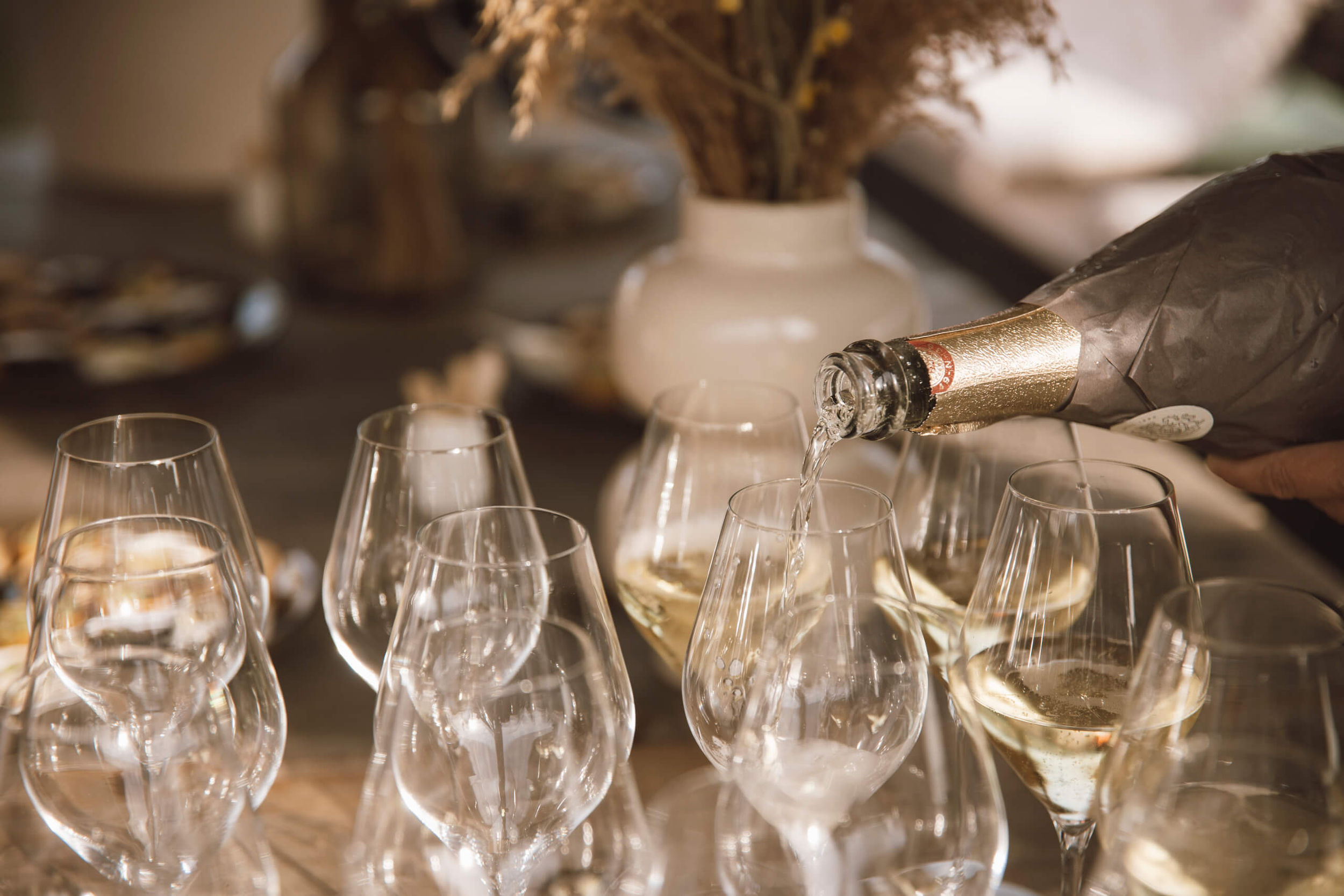
While Crémant and Prosecco share one obvious characteristic—their sparkling nature—they differ in many respects, starting with their country of origin: France and Italy. Their terroirs, grape varieties, production methods and winemaking traditions are all distinctly different. So, Crémant vs Prosecco: what are the main differences? Here are the key points to know.
Like all appellation wines, the identity of both Crémant and Prosecco begins with their terroir.
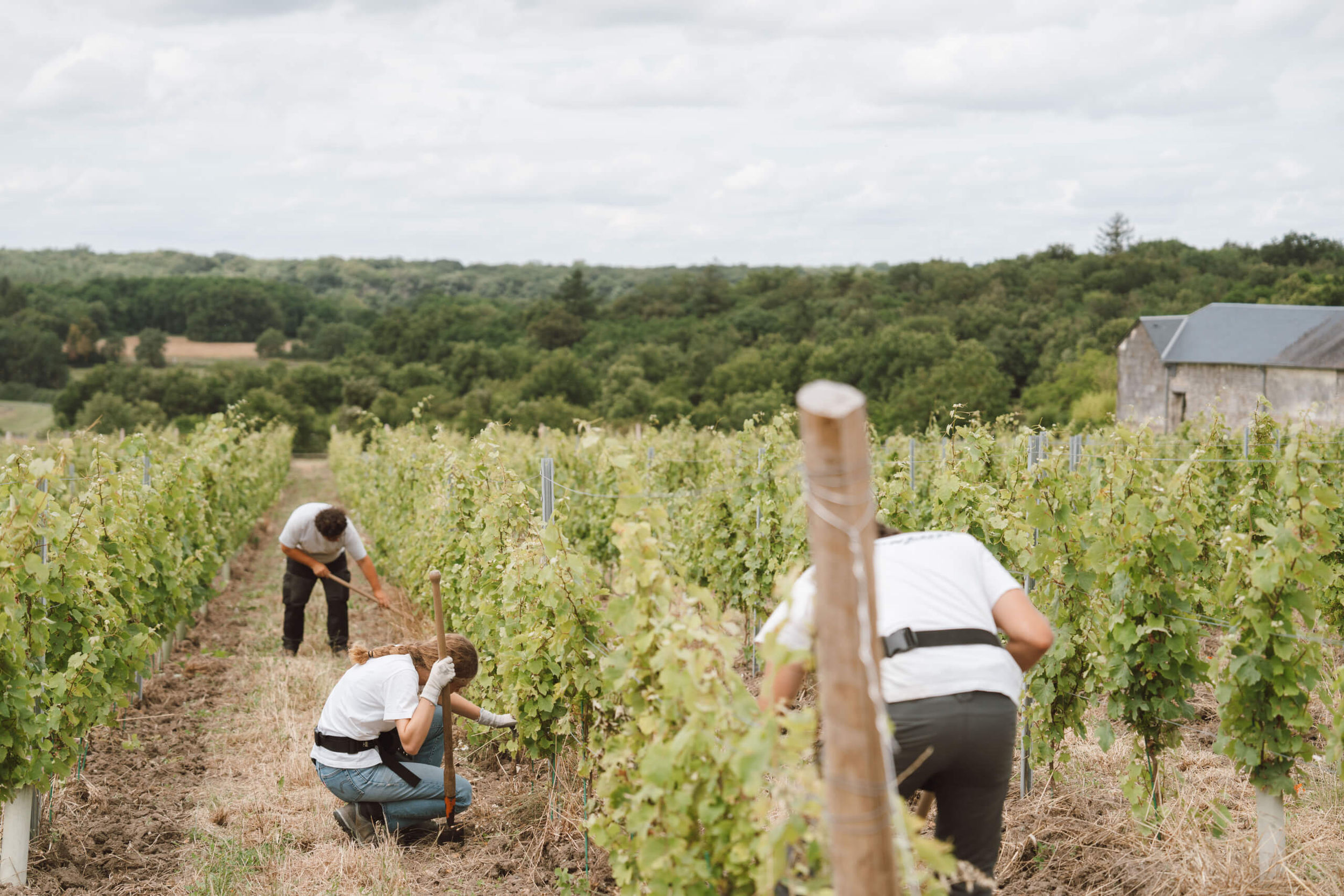
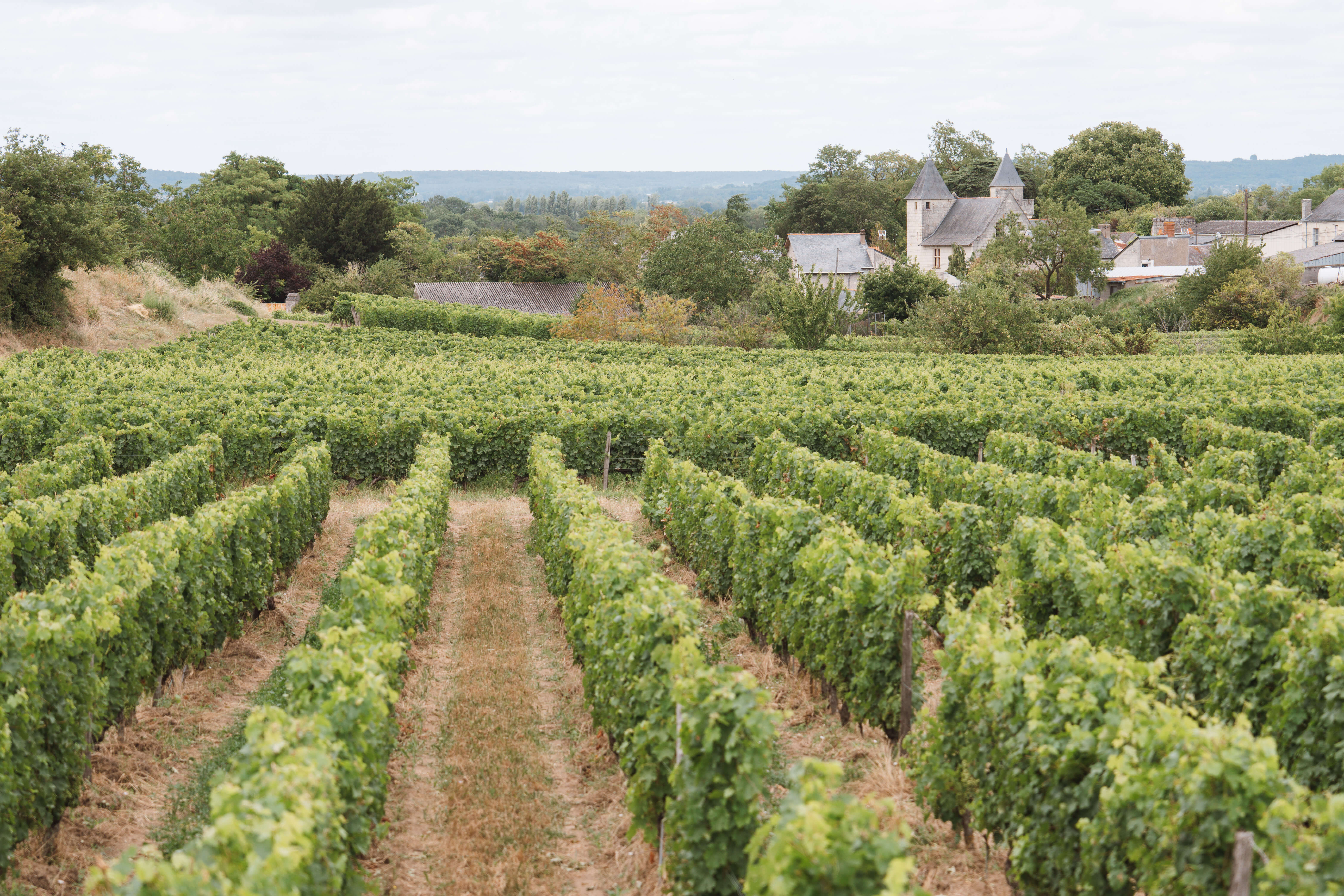
Crémant de Loire is produced in the Loire Valley vineyards, internationally renowned for the richness and diversity of their soils. Based in Saumur, Langlois cultivates four outstanding terroirs, recognised for their exceptional quality and often regarded as true “crus”: Coteaux Saint-Léger (limestone), Côtes de Saumur (siliceous limestone), Puy Notre-Dame and Montreuil-Bellay (clay-limestone).
Combined with the influence of the Loire River and a mild, temperate climate, these Loire terroirs produce wines with remarkable minerality. Langlois Crémants de Loire are distinguished by their freshness, elegance and complexity.
Prosecco, meanwhile, is produced within a strictly defined area of the Veneto region in northern Italy, mainly in the provinces of Treviso and Conegliano-Valdobbiadene. These rolling hills enjoy a Mediterranean-influenced climate and predominantly clay-limestone soils.
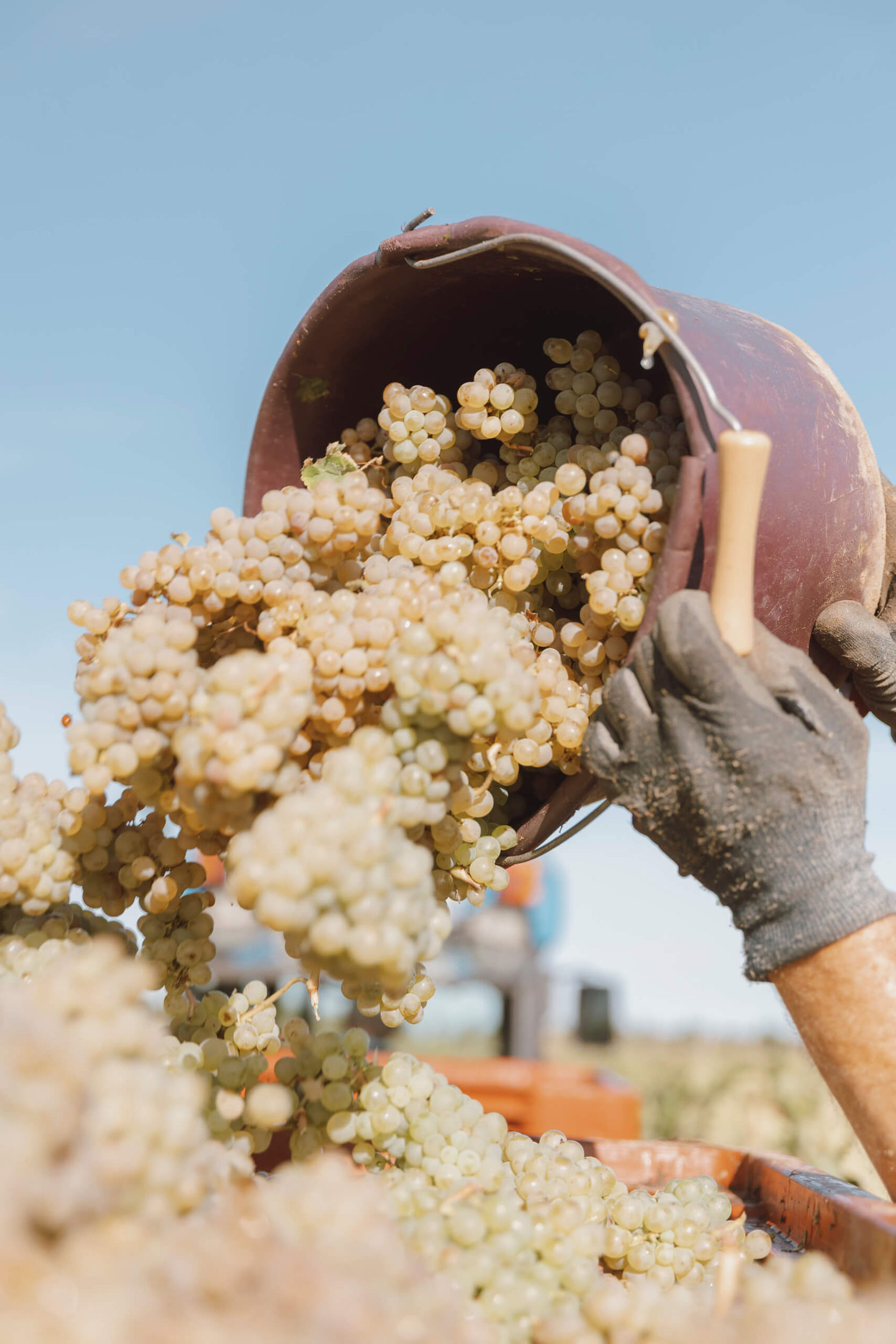
The distinctive aromatic profile of Crémant de Loire owes much to the diversity of Loire Valley grape varieties. Among them, Chenin Blanc stands out as the signature grape of Langlois Crémants de Loire. This white variety is prized for its freshness and its ability to express aromas of white-fleshed fruit and flowers while offering excellent ageing potential.
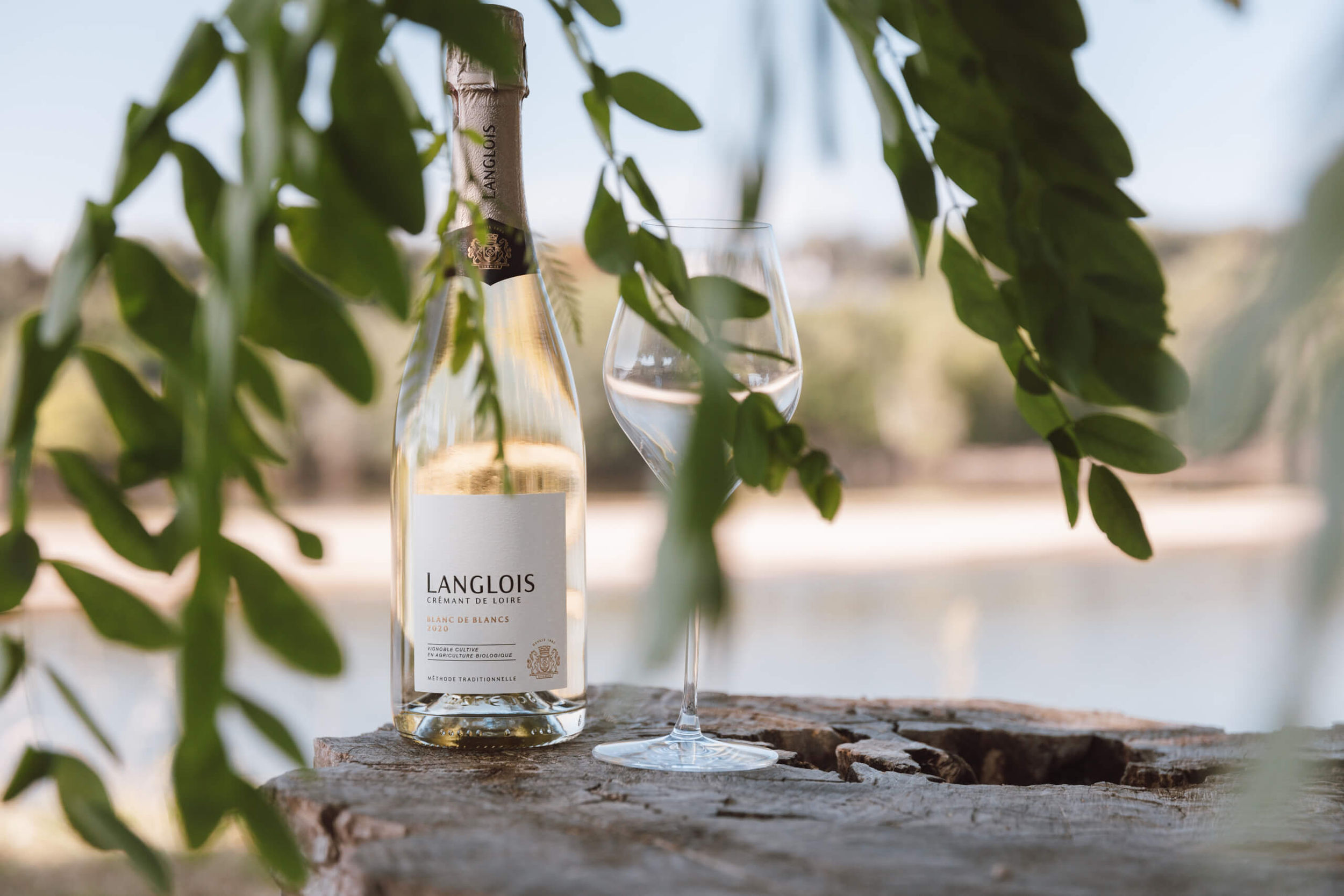
Chardonnay, Cabernet Franc, Pinot Noir and Grolleau are also commonly used in the blends, each contributing elegance, fruitiness or structure. Together, these varieties make it possible to craft a wide range of sparkling wines, including Brut Crémant de Loire, Rosé Crémant de Loire, Blanc de Blancs and vintage Crémants.
Prosecco, by contrast, is produced primarily from the Glera grape variety, known for its pleasant aromas of pear, green apple and white flowers. While this gives Prosecco its recognisable style, relying predominantly on a single variety can limit the range of expression and aromatic complexity of these Italian sparkling wines.
Officially recognised as an AOP in 1975, Crémant de Loire is produced using the traditional method, synonymous with finesse and quality. The grapes are harvested entirely by hand to preserve their integrity. After the first fermentation in tank, a second fermentation takes place in the bottle, gradually creating the wine’s fine, persistent bubbles.
At Langlois, the commitment goes even further. The House frequently exceeds the appellation’s requirements to craft the finest possible Crémants. Its cuvées benefit from extended ageing on the lees for example, 24 months for its non-vintage Brut, compared with the 12 months required by the appellation. This extended maturation allows the aromas to develop fully, producing structured and elegant wines that are equally suited to an aperitif or to pairing with fine cuisine.
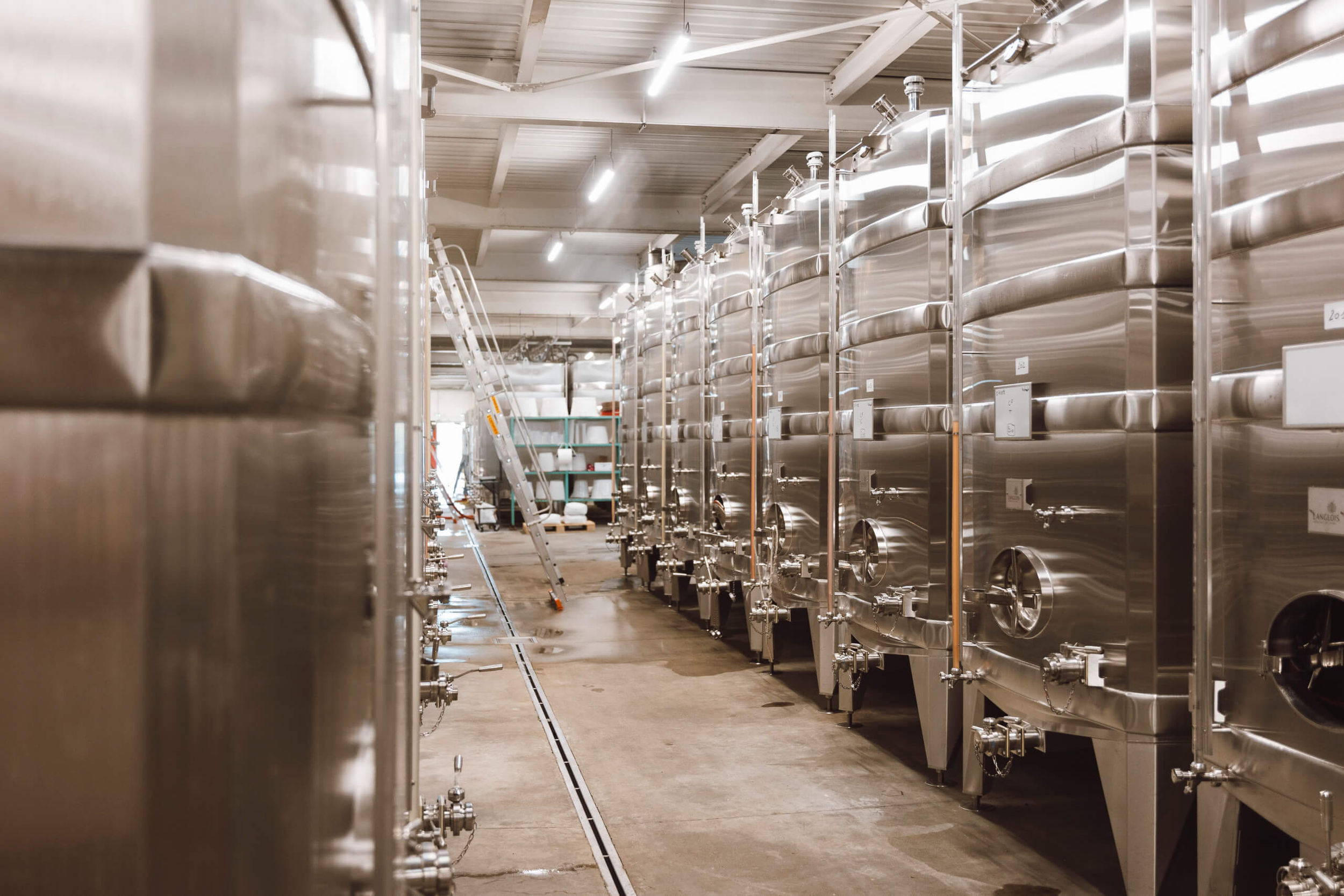
Unlike Crémant, Prosecco is produced using the Charmat method. In this process, the second fermentation takes place in a pressurised tank rather than in the bottle. This significantly faster technique allows for large-scale production.
However, the bubbles produced in tank are generally less delicate than those created through bottle fermentation. In addition, the shorter contact between the wine and the lees results in less aromatic complexity, a shorter finish and lower ageing potential. For this reason, Prosecco is often enjoyed in cocktails rather than as a standalone sparkling wine.
Crémant or Prosecco? As you’ve seen, the answer ultimately comes down to terroir, grape varieties and winemaking choices. Thanks to the diversity of its soils, the richness of its grape varieties and its rigorous craftsmanship, Crémant de Loire has established itself as one of France’s finest sparkling wines. To learn more, discover our article comparing Crémant and Champagne, or join us for a cellar tour in Saumur dedicated to the world of Langlois Crémants.

To visit our site, you must be of legal age to purchase and consume alcohol according to the legislation of your country of residence. If there is no such legislation, you must be at least 21 years old.
I accept these terms and conditions: No
Alcohol abuse is dangerous for your health, consume in moderation.