When it comes to sparkling wines, enthusiasts of fine bubbles have many options. In particular, Crémant and Champagne are among the best-known bottles in France. However, it is not always easy to understand what sets these two appellations apart. To shed light on these two symbols of the French art of entertaining, which add sparkle to both aperitifs and meals, here is a simple guide to the differences between Crémant and Champagne.
Crémant and Champagne appellations: two guarantees of authenticity
To understand what differentiates Crémant from Champagne, it is first necessary to recognise their essential common point. Both types of French sparkling wines are governed by Controlled Designations of Origin (Appellations d’Origine Contrôlée, AOC, or AOP at European level).
Whether it is the AOC Crémant de Loire for Maison Langlois or the AOC Champagne, these certifications guarantee the authenticity and quality of the wines. How? By setting strict production specifications, from viticulture methods through to winemaking practices. The AOC system is therefore a true mark of excellence, ensuring that each certified bottle faithfully reflects the unique character of its origin.
Terroir: a key difference between Crémant and Champagne
By nature, a PDO (AOC) refers to a clearly defined geographical production area. Champagne can only come from the four main Champagne regions, namely the Montagne de Reims, the Vallée de la Marne, the Côte des Blancs, and the Côte des Bar.
As for Crémants, eight French regions are authorised to produce them: Loire, Alsace, Bordeaux, Burgundy, Die, Jura, Limoux, and Savoie. Each of them has its own identity: Crémants de Loire benefit from the gentle influence of the royal river, which flows alongside Maison Langlois and its Saumur vineyards. The mild local climate gives these Loire sparkling wines a distinctive lightness and minerality, recognisable among all.
Crémant and Champagne therefore reveal distinct aromatic personalities, shaped by their terroir and traditions, which become evident during wine tasting.
Crémant vs Champagne: each AOC has its own specifications
The difference between Champagne and Crémant also lies in the detailed production rules defined in their specifications. In this respect, the grape varieties used in the Champagne appellation are mainly Chardonnay for white wines, and Pinot Noir and Pinot Meunier for red grapes.
The AOC Crémant de Loire offers its winemakers a different and diverse range of grapes. In Saumur, Langlois showcases Chenin and its remarkable purity through its wines, a guiding thread of the Loire house’s expertise. Chardonnay, Cabernet Franc, Pinot Noir, and Grolleau are also highlighted in its vineyards.
However, both appellations require manual harvesting and follow the same traditional method for the second fermentation that creates the bubbles: this takes place in the bottle, giving the final blends true complexity and finesse (unlike some sparkling wines that may be carbonated using added gas or produced via tank fermentation rather than in-bottle fermentation).
Loire sparkling wines or Champagne: which appellation should you choose?
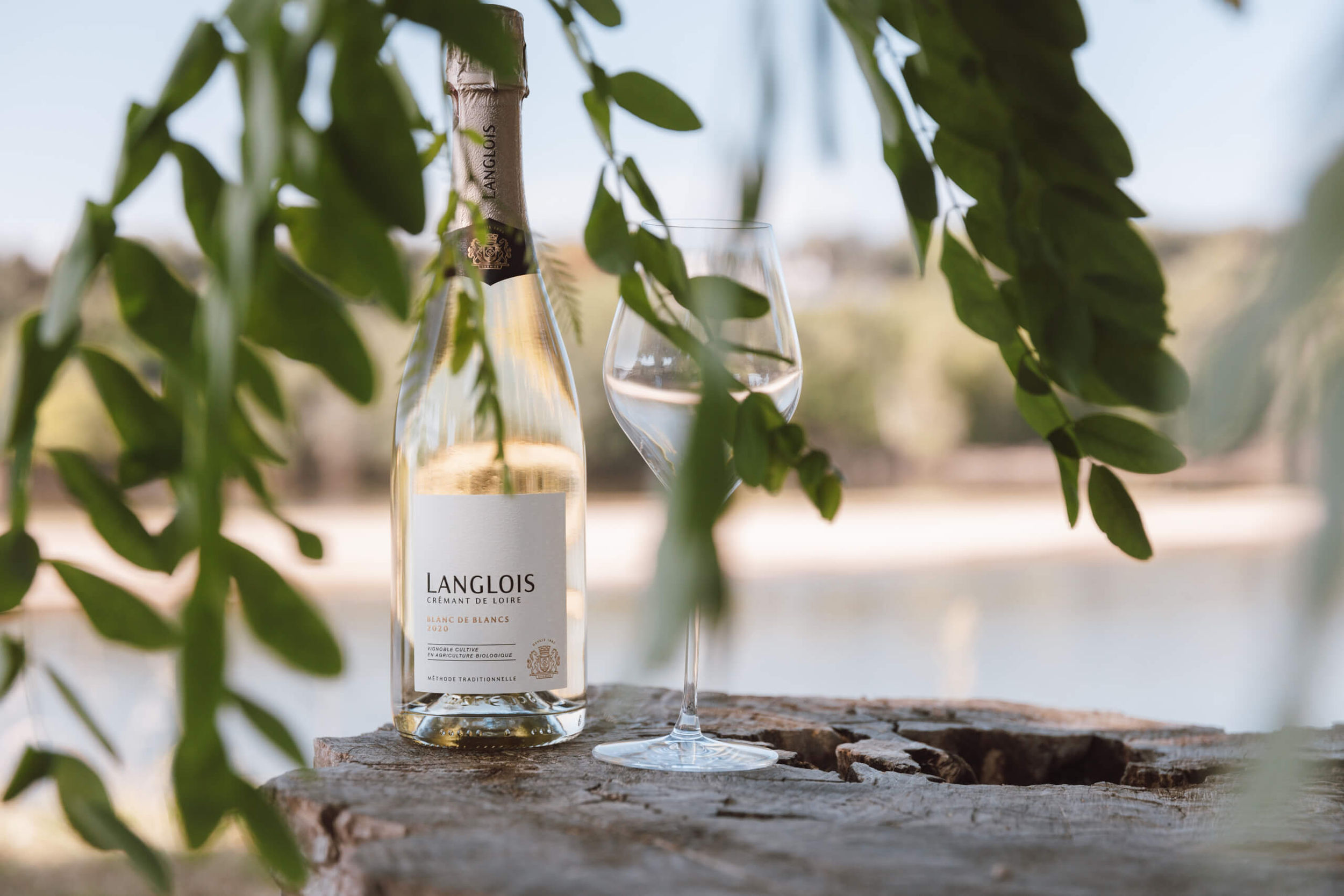
Like Champagne, Crémants de Loire offer a wide range of cuvées suited to every occasion. Every dish, every meal, and every aperitif can find the perfect wine to enhance it, whether it is a Crémant de Loire brut, a Crémant de Loire rosé, or a Crémant de Loire vintage.
However, at equivalent quality levels, Crémants de Loire generally tend to be more affordable in price—making it possible to elevate everyday moments, just as Langlois Crémants do…
Langlois Crémants de Loire: beyond appellation requirements
At the heart of the Loire vineyard, Maison Langlois strives to constantly push the boundaries of excellence. This pursuit of precision often leads it to exceed not only the standards of the Crémant de Loire AOC, but also those set by the Champagne AOC.
To achieve this, in the hours following the harvest, the pressing of the grapes is particularly gentle: 200 kg/100 L, compared with 150 kg/100 L required by the Crémant de Loire specifications and 160 kg/100 L for Champagne.
Another example: its non-vintage brut Crémant and rosé Crémant age on lees for at least 24 and 18 months respectively, compared with a minimum of 12 months for the Crémant de Loire appellation and 15 months for a non-vintage Champagne brut. The same philosophy applies to its vintage wines: Langlois Cadence 2017 and Langlois Vintage 2021 rest on lees for 5 and 3 years, compared with 3 years for a vintage Champagne.
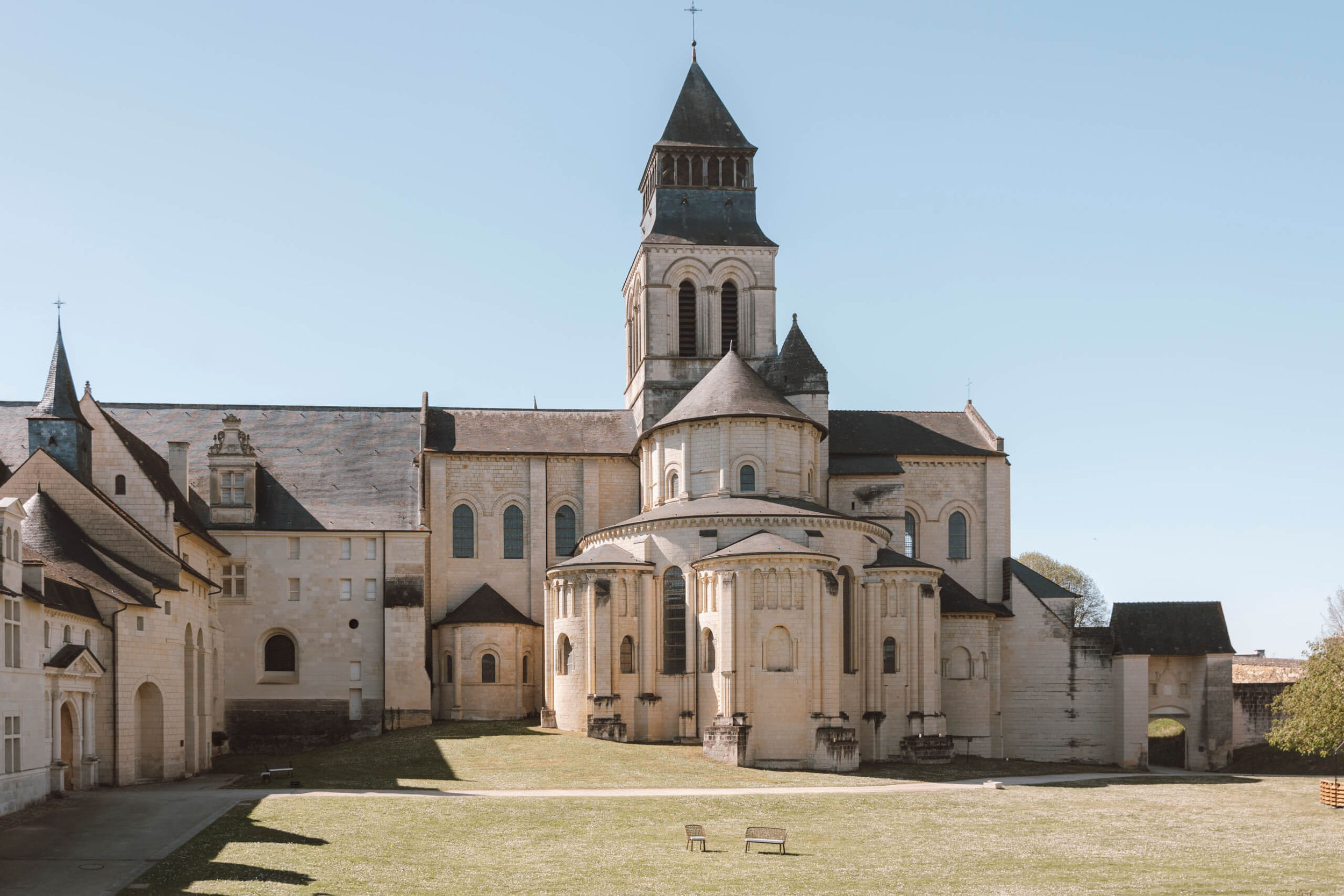
Champagne vs Crémant: you now know the key points that define the uniqueness of each of these French sparkling wines. To fully appreciate the richness of Crémants de Loire, a cellar visit in Saumur is simply a fascinating and unforgettable experience…