2026 marks a turning point for viticulture: a vintage of extremes in every respect, from winter rainfall and the earliness of the vines to severe drought intensified by several successive heatwaves, as well as uneven ripening. Throughout this challenging year, the Maison continuously adapted its practices. The grapes harvested between 10 August and 2 September were therefore in excellent sanitary condition and showed good levels of ripeness, despite reduced volumes.
2026,
a succession of extreme weather conditions
From January onwards, this vintage was shaping up to be an extraordinary one, with torrential winter rainfall: on 21 February, the Loire reached a level of 5.17 metres in Saumur. With these historic floods and rainfall remaining intense until the end of March, soil water reserves reached their peak.
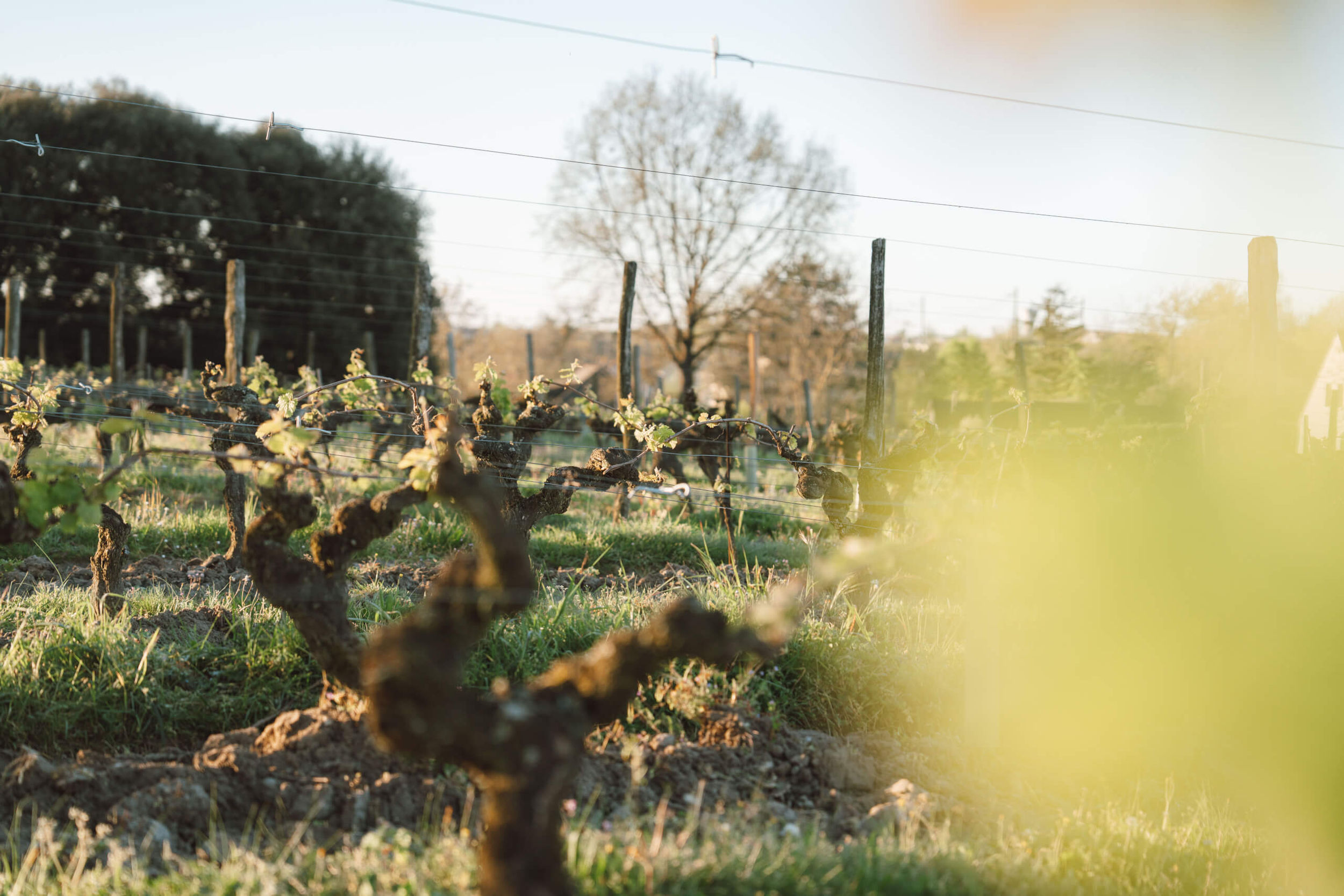
Favoured by these waterlogged soils and mild temperatures, budbreak began very early – 15 days ahead of 2025, which was itself an early year – before the vines entered a record-breaking vegetative growth phase: as early as May, the harvest was already expected to begin in early August. The reinforced Langlois teams then demonstrated great adaptability, moving quickly through all the plots. Fortunately, the vineyard avoided frost damage, despite two threatening episodes.
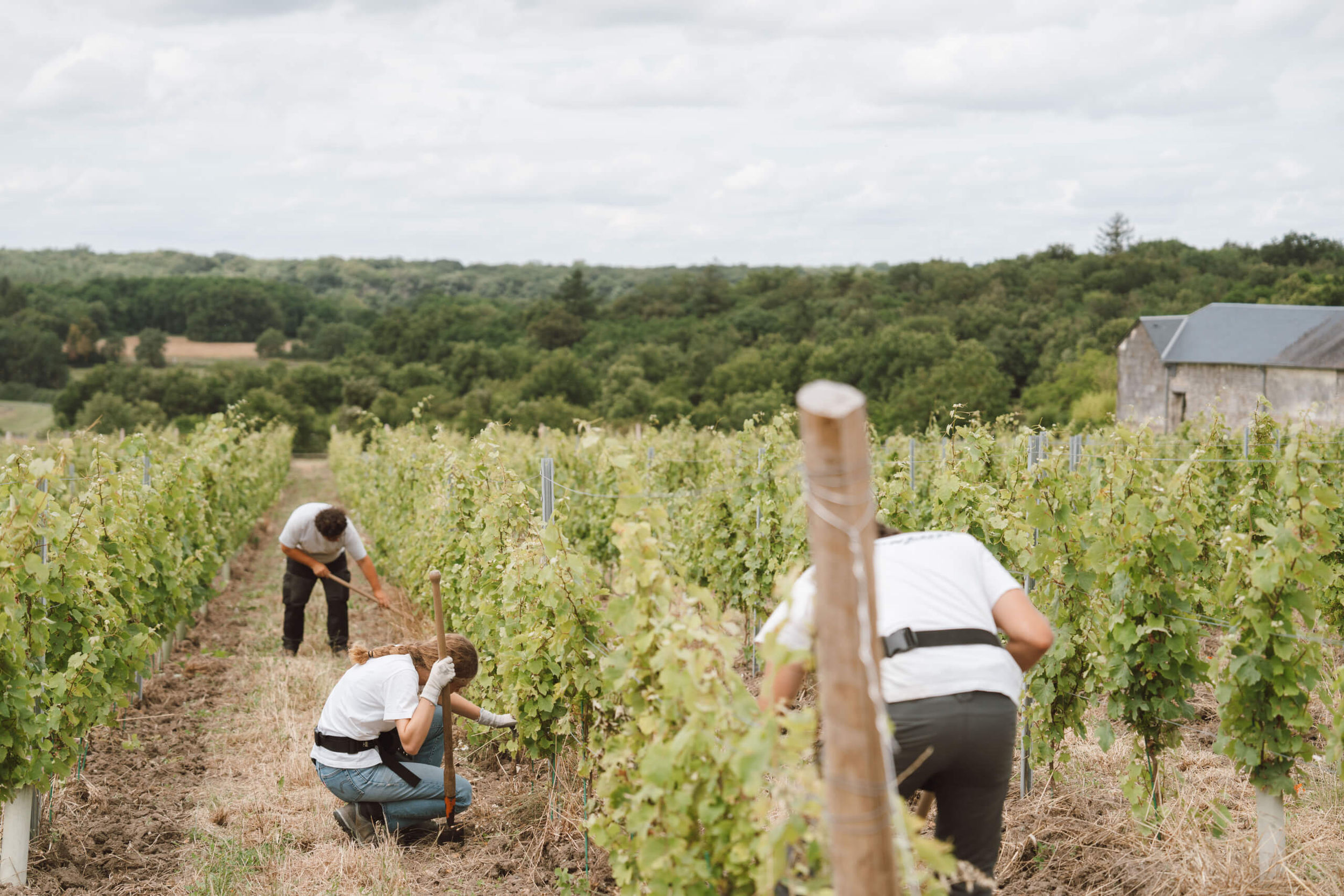
After mid-May, warm weather settled in for an extended period, while available soil water reserves began to run low. Managing these reserves and working the soils became a key priority for the teams, who had to constantly adapt. This was further compounded by four successive heatwaves beginning in mid-June, intermittently slowing the development of the vines.
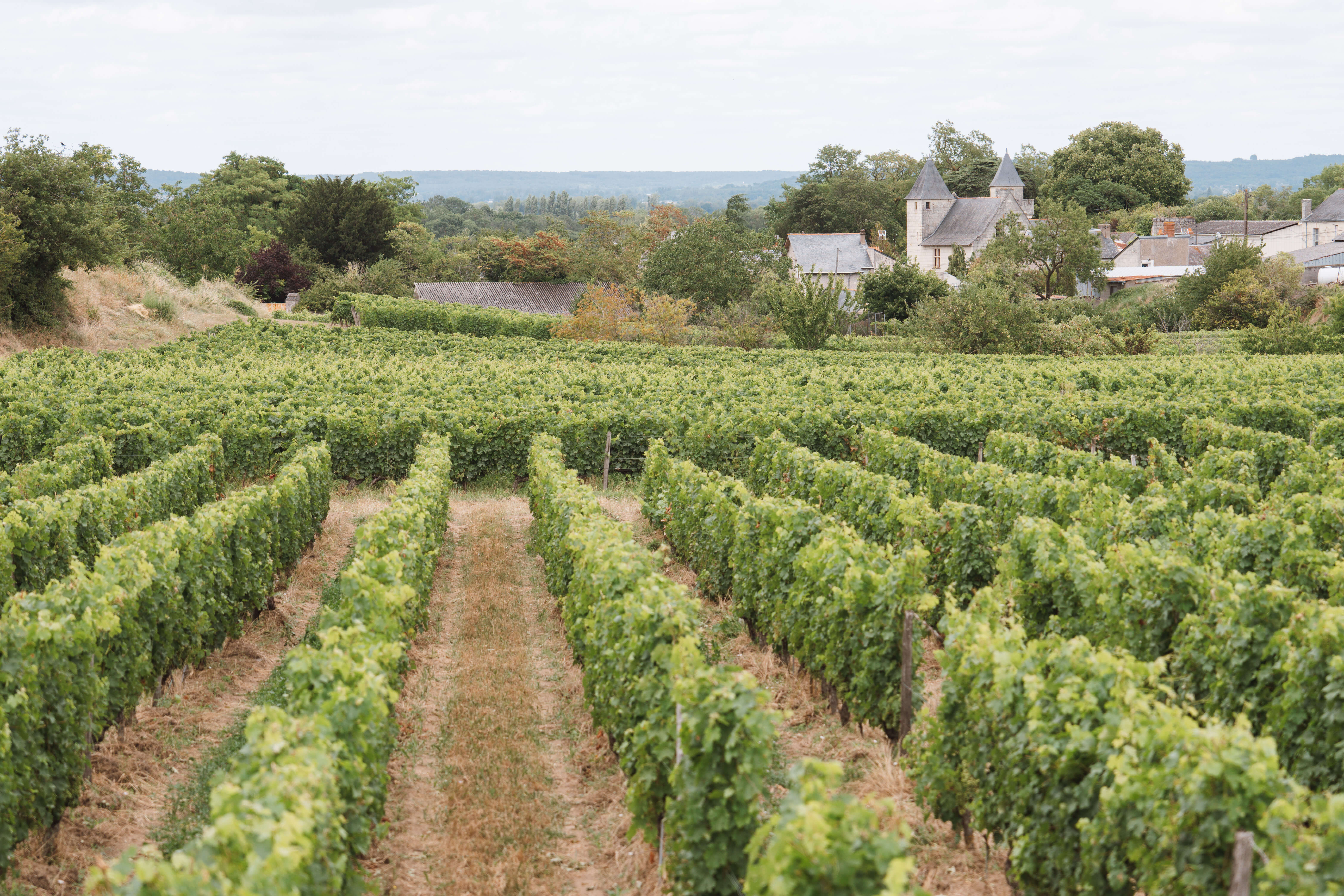
Extreme drought hit the vineyard: only 67 mm of cumulative rainfall was recorded between 1 April and 23 August, compared with 123 mm in 2025 and 238 mm in 2024. This was even drier than in 2003 and 2022, when 228 mm and 172 mm of rainfall respectively were recorded over the same period. By mid-July, available water reserves had fallen below 10% across a large proportion of the plots, and in some cases had already reached this level by the end of May. This figure fell to less than 1% by the end of August. Despite these conditions, the vines proved resilient: significant bunch formation was observed and the health of the vineyard remained good.
AN EXCEPTIONAL YEAR CALLS FOR EXCEPTIONAL CARE
Faced with these conditions, the Maison adapted its vineyard management practices almost every week, drawing on every technical solution available to protect its organically farmed vineyard as effectively as possible. Treatments were, for example, carried out at night or early in the morning. Sulphur treatments were quickly discontinued to avoid the risk of scorching the vines, despite the threat of powdery mildew. Kaolin (a white clay) was applied to the most sensitive grape varieties and terroirs to prevent the bunches from being scorched. Another unusual approach, adopted at the height of summer, was the application of foliar fertilisers to provide the vines with essential minerals, helping them overcome water stress and resume growth.
The Maison’s earliest harvest on record
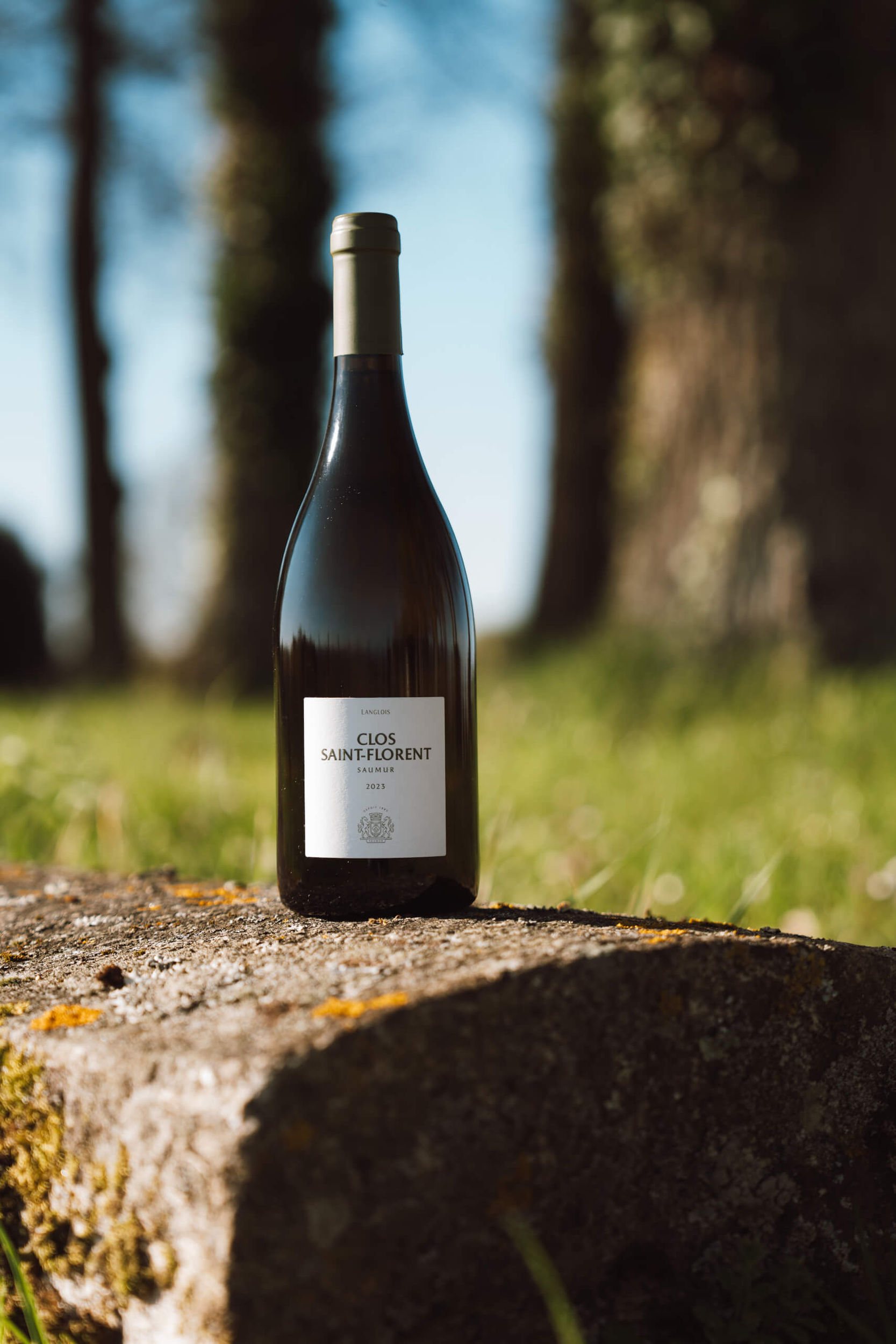
Never before has the harvest begun so early, starting three weeks ahead of the average. It began on 10 August with the picking of Chardonnay and Pinot Noir from the Clos Saint-Florent, and concluded on 2 September. Completed in less than four weeks, the harvest was therefore particularly short, due to the risk of thunderstorms and the exceptionally rapid ripening of certain grapes, which required the teams to act quickly: during the first week, the sugar levels of the Chardonnay grapes increased three times faster than average.
During this period, the heat often remained intense, both for the grape bunches and for the women and men working in the vineyards. The working hours of the Maison’s 50 harvest workers were therefore adjusted to 4:00 a.m. to 1:30 p.m., with frequent hydration breaks. Night-time harvesting by headlamp also had the advantage of picking cooler grapes, a decisive factor given the sweltering conditions of this vintage. The 30 mm of rainfall at the end of August were ultimately welcome for the young vines and the harvest workers.
Volumes impacted by drought
The lack of water led to losses in several areas, particularly in less calcareous terroirs. As a result, grape volumes harvested were 20% below the Maison’s target yields.
Fortunately, the good organic fertilisation of the vines ahead of the vintage, together with the attentive care provided by the Langlois teams throughout the year, helped to contain the situation. This was notably the case in the Clos Saint-Florent, where most of the bunches were harvested, with good levels of ripeness.
CHENIN AND CLIMATE CHANGE
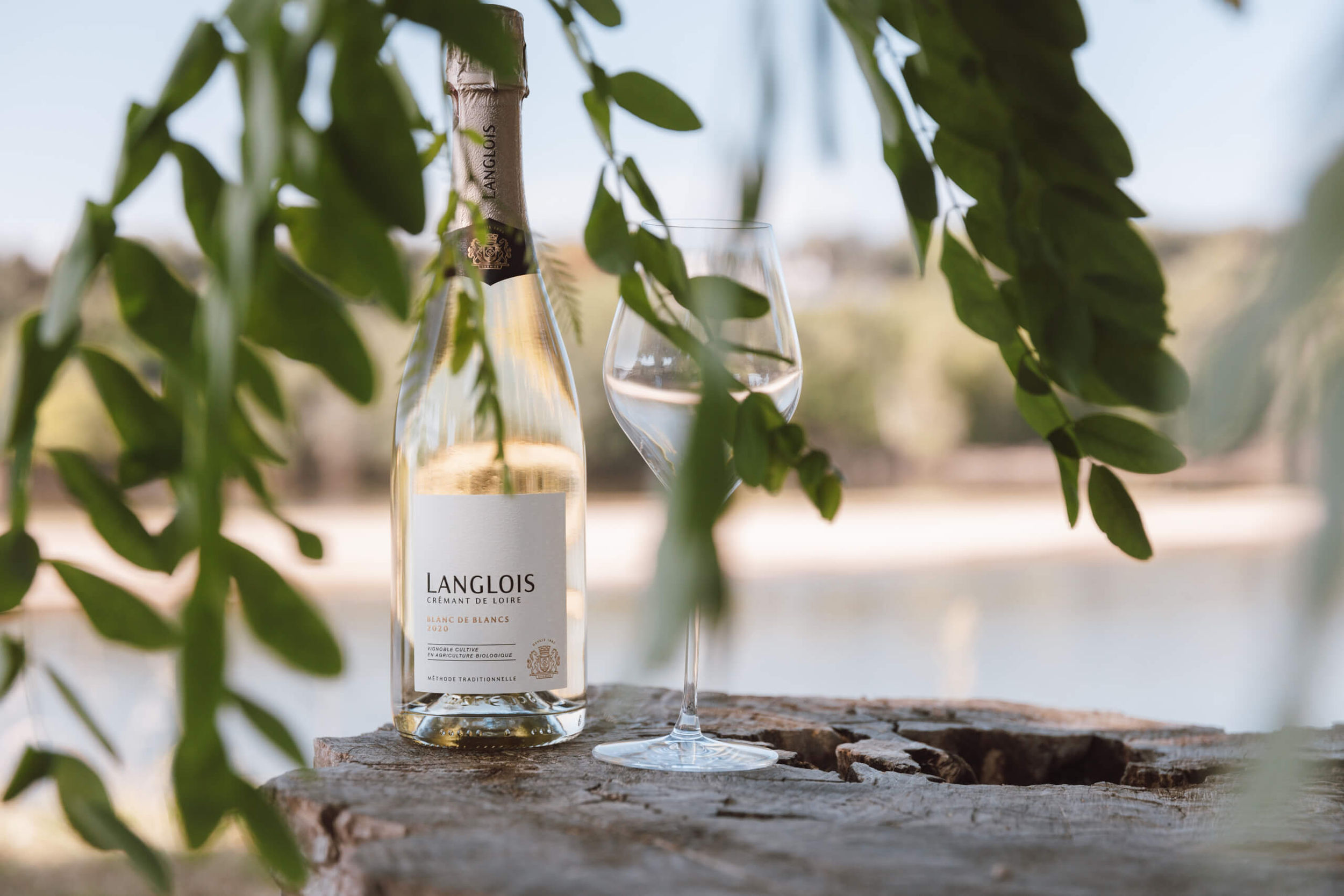
Chenin, the aromatic signature of Langlois Crémant de Loire, is particularly sensitive to high temperatures. This vintage confirms the relevance of the Maison’s ongoing work on this grape variety in the context of climate change. The choice of planting sites, with a preference for deep calcareous soils, is proving decisive, as is the work being carried out to build soil resilience. Another area of research led by Léa Martinat, Head of Vineyards, is the intra-clonal and intra-varietal diversity of Chenin, in collaboration with technical institutes and nurseries.
Uneven ripeness depending on terroir and vine age
The Maison’s vines showed significant differences in their ability to withstand water stress, depending on their age, the depth and structure of their root systems, and the way their soils function. Vines more than ten years old proved more resilient, while clay-limestone terroirs demonstrated their key role in regulating available water.
This variability was also observed within individual plots: the growth of some vines came to a standstill, while others experienced extremely vigorous growth. More strikingly, these differences were observed even within individual grape bunches, with some containing both under-ripe and over-ripe berries.
During the harvest, the hard work and responsiveness of the vineyard teams paid off, with Pinot Noir picked at good levels of ripeness and acidity, Chardonnay harvested at just the right moment, before reaching overripeness, and Chenin preserved as carefully as possible. Overall, the berries were small due to the lack of water, with higher potential alcohol levels than usual and lower acidity. It is now the turn of the cellar and winery teams to take over, drawing on their invaluable expertise to carry out careful vinifications that will reveal the very best of this unprecedented vintage.
« The Loire Valley remains promising, and the Saumur region avoided the worst: frost, hail and wildfires. We brought in a smaller harvest, certainly, but it is here, and it is disease-free. »
Léa Martinat, Head of Vineyards